What does it mean to be AI literate?
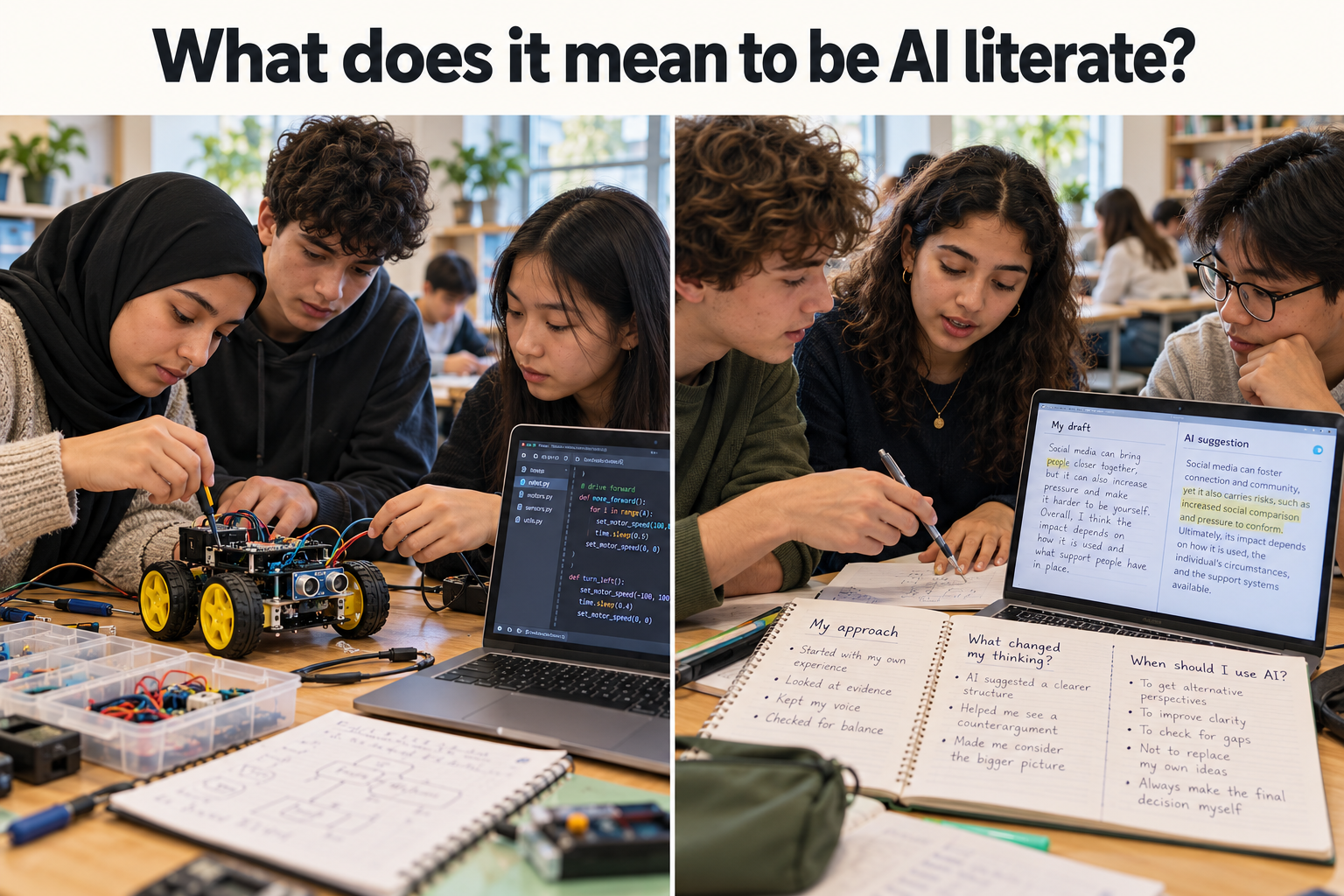
ADEK’s new AI Literacy initiative sets an ambitious goal for more than 170 private schools. By Grade 12, students should move from using AI to designing it. The timing is interesting for me, as I have been studying how Abu Dhabi schools publicly describe the purpose of AI education.
What I am seeing in the private sector is wide variation, and much of it appears to follow fee levels. Many schools, across fee bands, connect AI to international opportunity, university and careers. National and cultural themes are present, but they tend to sit adjacent to these aims rather than shaping them. The clearest differences lie in how students are positioned in relation to AI. Most schools emphasise applying AI and using it responsibly. A small number of premium schools go further and talk about reflexivity, asking students to question AI, its limits and their own judgement about when to use it. So before any shared framework arrives, private schools already offer students different relationships with AI. Some schools publicly emphasise questioning AI, while others foreground effective and responsible use.
My experience in international schools in China suggests that schools interpret shared frameworks through their own resources, traditions and expectations of their students. This initiative could widen access to real opportunities to build, understand and question AI, but existing distinctions between schools may shape how it is lived out.
AI literacy is now a shared goal. The open question is what it will look like for different students in different schools. I am interested in hearing how educators are approaching it in their own schools.